A slow website that costs too much to maintain.
The old WordPress site uses a heavy theme, many extensions, and Google Forms. For a simple business, the client is paying for and maintaining far more than they need.
The client needs to present holidays, receive enquiries, and update the content without me. They do not need an expensive website simply to remain online.
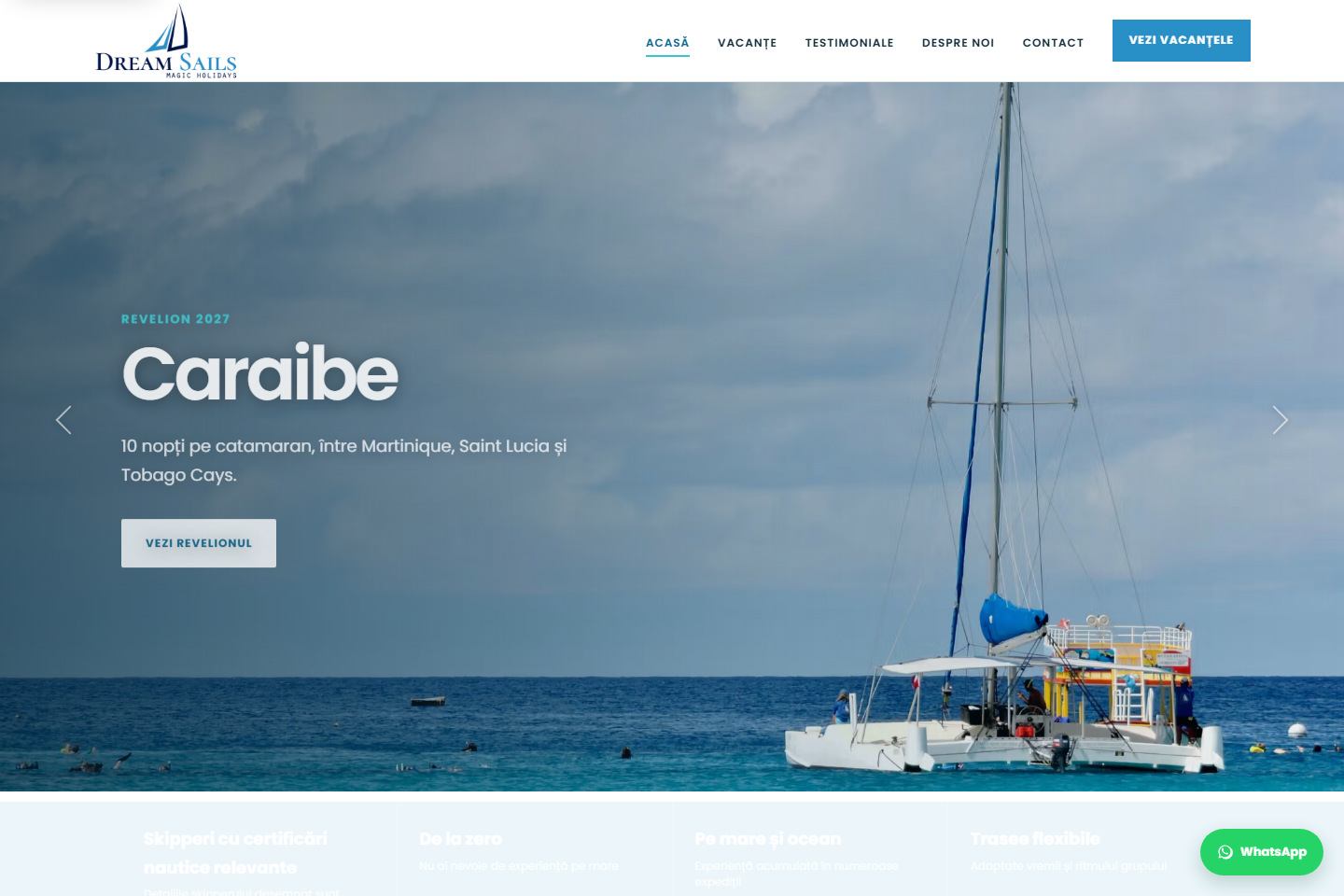
The old WordPress site uses a heavy theme, many extensions, and Google Forms. For a simple business, the client is paying for and maintaining far more than they need.
Offers, galleries, testimonials, pricing, contact details, trip enquiries, and the newsletter all remain. Only the parts that added cost and friction disappear.
The replacement can be tested publicly, but it is not final production yet. The old site stays untouched until hosting, mail, DNS, and the last polish pass are complete.
The admin panel only shows what the owner actually needs to change: holidays, copy, images, prices, and testimonials. They never see code and cannot accidentally break the design.
Booking enquiries, contact, and newsletter signup are part of the site. Visitors are no longer sent to Google Forms, while the client receives enquiries by email and can check newsletter subscribers separately.
There is no theme or plugin marketplace. For a new look or a special feature, the client sends me a reference and I build it separately. Most changes take 1–10 hours, roughly €30–300, depending on complexity.
The same business and important content, but a page that reaches the visitor much faster.
This was a large part of the sluggish feel. The images still have one final optimization pass to go.
At current traffic, hosting can remain free. The remaining costs are the domain, roughly €10–15 per year, and email, around €1 per month.
The forms look and behave like the rest of the site. Trip enquiries and messages reach the inbox, while subscriptions enter the newsletter list. Spam protection works in the background.
The client's routine is simple: check mail for enquiries, the list for subscribers, and the site panel for content. The final handoff documents each step with screenshots.
I also tested a separate boat-rental feature. It worked, but the annual licence cost was too high for the value it brought the client, so I removed it from the site and archived it in case it becomes worthwhile later.
I still need to check the WordPress backup, domain, mailboxes, redirects, and the path back to the old site if anything goes wrong during launch.
The final stock-image selection, a better footer, and a simpler admin panel are still to come, so the owner only sees options they actually use.
The client will receive short procedures for content, mail, and newsletter: how to publish, where messages arrive, and how to check who subscribed.
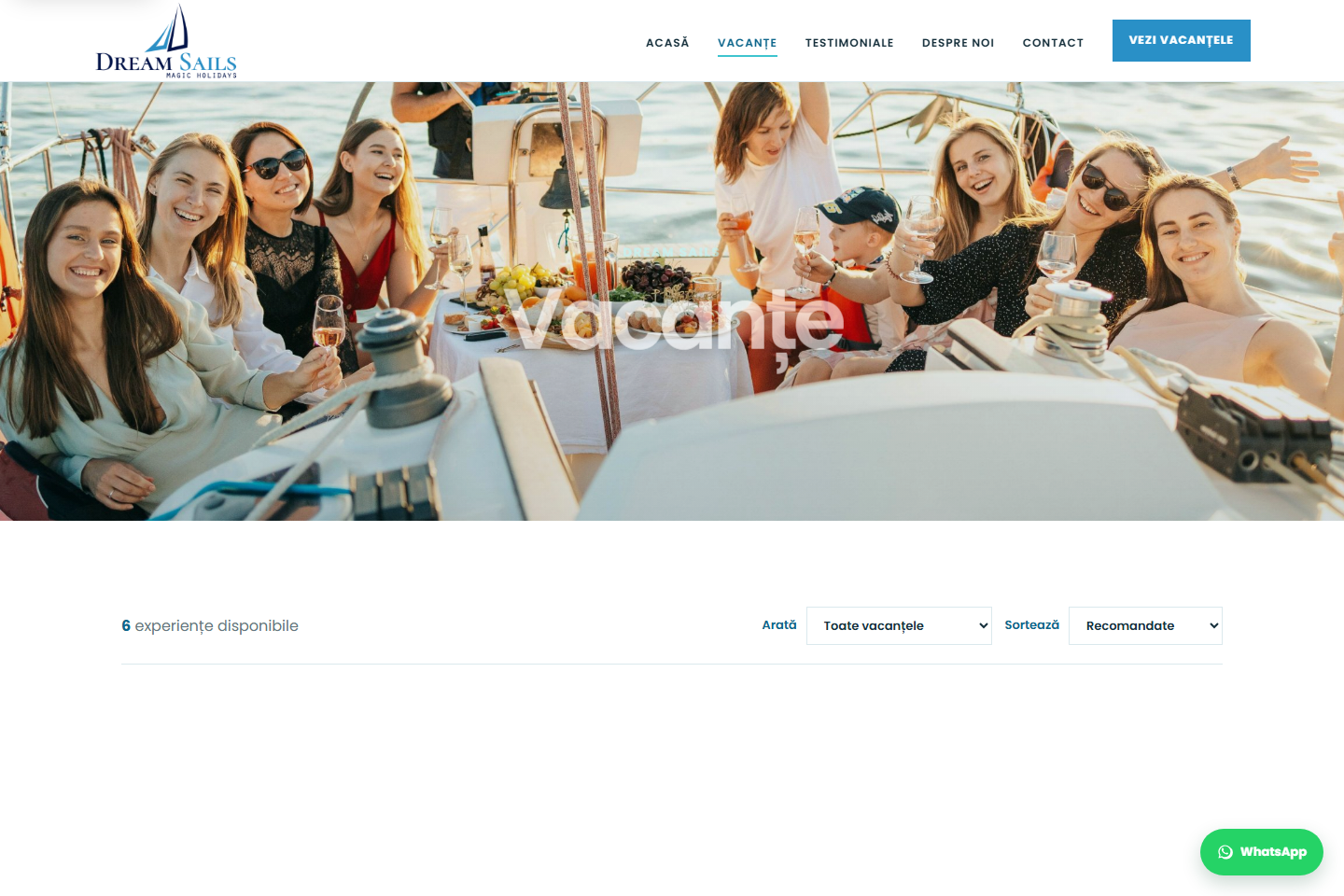
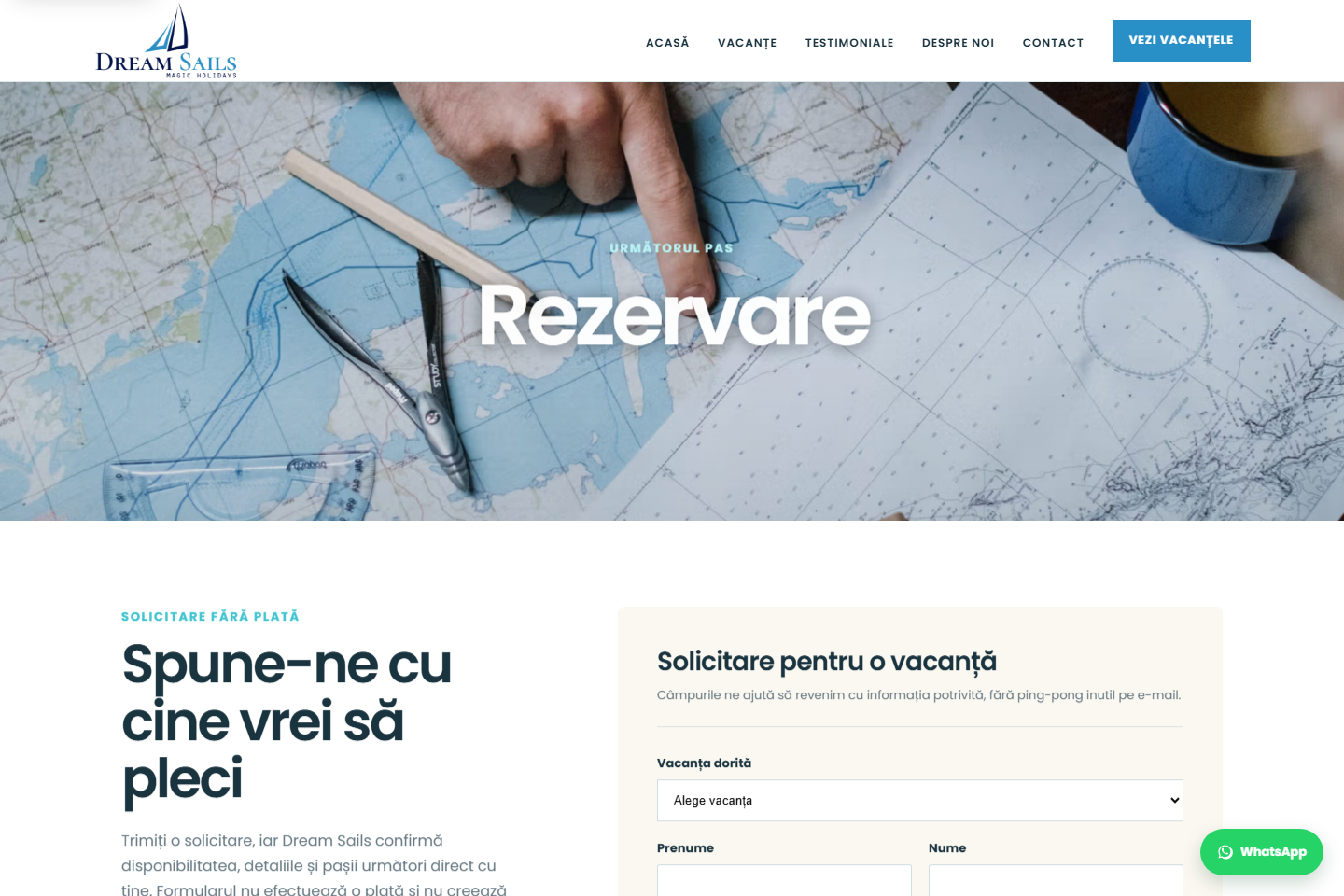
The difference is already visible: much lighter pages, content the owner can update, and forms that keep visitors inside the site. But the project is not closed yet. Final launch comes after hosting, mail, and DNS access, the last polish pass, and the client documentation. Until then, WordPress production remains untouched.
I want a simpler website